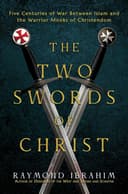
Signed books from Raymond here!

Islam's Kristne Syndebukka

Synopsis-Olsen

Oprindelig engelsk tekst: Islam's Christian Scapegoats

Efter at have nævnt den form for overgreb som kristne i Pakistan lider under – herunder at blive dræbt med "blasfemi" love, konstant "generet og krænket på gaderne af grupper af unge muslimer," gemt væk, og gjort fattige af regeringen – minder en frisk FOX NEWS rapport os om at forfølgelse af kristne bliver yderligere forstærket af anti-amerikanismen.

Livet på en hvilken som helst dag for Pakistans kristne er vanskeligt. Men medlemmer af Pakistans kristne samfund siger nu, at de bliver forfulgt på grund af U.S. drone angrebene mod islamiske militante der skjuler sig i grænseområderne til Afghanistan. Det kristne mindretal der udgør en procent af landets 170 millioner indbyggere siger, at fordi deres tro kædes sammen med Amerika er de målet for muslimerne.

Når Amerika foretager et droneangreb kommer de og giver os skylden siger Faisal Massi, en 25 årig studerende fra Sau kvarteret, en kristen koloni i Islamabad. De tror vi tilhører Amerika. Det er en naiv mentalitet.
Ikke blot er det virkelig en "simpel mentalitet" – muslimsk tradition holder ved at "Alle vantro er en religion" – det er også en belejlig mentalitet, hvormed muslimerne kan hævne sig på den "stærke vantro" (det "kristne" Vesten) ved at angribe den "svage vantro" (de kristne minoriteter der lever under Islam.)

Der er rigtig mange eksempler på denne holdning: For år tilbage dømte Pave Benedikt Islam meget lidt flatterende ved at henvise til historien, og anti-kristne opstande brød ud, kirker blev brændt, og en nonne blev myrdet i Somalia; for nogle uger siden, da en skør præst brændte en Koran i Florida, blev dusinvis af FN hjælpearbejdere dræbt af muslimer i Afghanistan, herunder halshugninger.

Se på Irak: De forfulgte kristne er blevet målet, delvist "over deres religiøse bånd til Vesten." Selv Sangrebet sidste år mod en kirke i Bagdad, hvor over 50 kristne blev slagtet, var en "gengældelse" for nogle helt absurde påstande mod den Koptiske kirke; de al-Queda forbundne gerningsmænd gik så langt som til at true alle kristne rundt om i verden som "lovlige mål for mujahedeen (hellige krigere) hvor end I kan nå dem." (Dristigt som det lyder, er klausulen "hvor I end kan nå dem" en påmindelse om at det er den Islamiske verdens sårbare kristne der fortsat vil være målet).

Dette fænomen – at angribe en gruppe kristne som svar på en anden – har rod i Islamisk lov. Omars Pagt, en grundlære for Islams behandling af dhimmier (det vil sige ikke-muslimer der nægter at konvertere efter deres land er blevet indtaget af Islam) tydeliggør det. Konsekvenserne ved at bryde nogle af de ydmygende og nedværdigende bestemmelser kristne skal acceptere for at få en vis grad af sikkerhed i den muslimske stat var barsk:

"Hvis vi på nogen måde krænker disse foranstaltninger ....bryder vi vor pagt, og vi bliver skyldige i straffene for ulydighed og frafald"
– straffe der omfatter at blive gjort til slave, voldtægt og døden. Ydermere berører det enkeltes individs handlinger hele gruppen: Alle er under truslen for at sikre,at alle opfører sig ordentligt. Som Mark Durie påpeger,

Selv et fejltrin af et enkelt dhimmi individ kunne resultere i at jihad blev påført hele samfundet. Muslimske jurister har tydeliggjort dette princip, for eksempel juristen al-Murtada fra Yemen der skrev at "Aftalen vil blive annulleret hvis alle eller nogle af dem bryder den," og al-Maghili fra Marokko lærte, "Den kendsgerning at et enkelt individ (eller en gruppe) blandt dem har brudt en regel er tilstrækkelig til det overføres på dem alle." (The Third Choice side 160).

Som en følge heraf blev 22 kristnes hjem sat i flammer under råbene "Allahu Akbar" da en kristen mand i Egypten blev anklaget for at komme sammen med en muslimsk kvinde. For nogle dage siden, da muslimerne kom med falske anklager mod en kopter, blev en kristen slået ihjel og ti kom på hospitalet, en ældre kvinde blev smidt ud fra hendes balkon på 2. sal, kristne hjem, butikker, marker og kvæg blev plyndret og sat i flammer – under råbene "Allahu Akbar" ifølge en rapport der passende har titlen "Kollektiv straf af egyptiske kristne."

Således, mens verden bliver mindre – og mens muslimerne fortsætter med at kæde Vesten og Kristendommen sammen – vil grundene til at forfølge Islams kristne øges: Etnicitet og geografi spiller ikke længere nogen rolle; blot det at dele samme religion, gør alle "kristne" skyldige overfor hinanden. En dhimmi er en dhimmi er en dhimmi. Og hvis det er mere belejligt at straffe den muslimske verdens forsvarsløse kristne som modsvar til Vesten – så helt i orden – selvom disse kristne intet har med sagen at gøre, eller intet aner om den.
Raymond Ibrahim

Please share your thoughts on this article on X

Click here

Share this article:

Humanities speaker re-ignites controversy

by Ashley Stewart and Claudia Furmanczyk
The Clipper

EvCC once again found itself on the stage of controversy surrounding the year's humanities theme when a contentious speaker was invited to campus.

Raymond Ibrahim – editor and translator of a book entitled "The Al Qaeda Reader" – was invited to present his interpretation of Islam as a part of the "Islam in America" series.

The presentation came and went with only a few disgruntled audience members, despite a letter written and endorsed by a multi-denominational group of religious leaders, many who are from Everett.

On April 28, a group of more than 50 religious leaders sent a letter addressed to President David Beyer in opposition of Ibrahim's invitation to campus. It was titled "Do not support bigotry at EvCC."

"We are a coalition of local Faith and community leaders who are gravely concerned about Everett Community College's invitation to Raymond Ibrahim to speak on campus," the letter said.

The letter alleges that Ibrahim resigned under pressure from the Library of Congress after a 2007 article in a California Muslim newspaper. The article "explained how he used his title of Research Librarian to style himself as an expert in order to speak and write unfounded, hate-filled messages about Islam and Muslims," according to the letter.

The letter was sent to senators and representatives, government agencies and different publications.

In an email, Ibrahim stated that CAIR has a long history of stifling free speech, providing the link to an article from this year by independent news website WorldNetDaily, which claims that CAIR attempted to conceal documents that connected them to the Muslim Brotherhood.

"If we can't talk about dangerous ideas on a college campus then I don't know why we're here," said Joyce Walker, director of the humanities center.

"I think academic freedom means we're here to consider all positions that people raise and then to critically evaluate them – that's what education is all about. I think it was fine to have him."

Spearheading Ibrahim's arrival was Jeffrey Pearce, director of payroll services. According to Walker, who helped coordinate the event, Pearce met with the Student's Program Board who agreed to pay the $1,500 to bring Ibrahim.

The Humanities Center regularly pays guest speakers.

"I knew he would be a good speaker because of his extensive research into Islamic texts and history, his tenure at the Library of Congress and his academic work comparing ancient and modern Islamic documents," Pearce wrote in an email this week.

Jason Ripper, an EvCC history instructor, admitted that he was initially upset that Ibrahim was coming to speak, but was glad after.

"We should listen to each other and critique each other and try to understand what's right and what's not carefully with a good look at evidence. So Ibrahim, even if most of the campus disagrees with him, he started that process here and that's a good thing," he said.

In January, a group called Act! for America launched a Facebook campaign to persuade the college to revoke an invitation to the Center for American-Islamic Relations to speak about being Muslim in America. A total of 66 commentators participated in the discussion on EvCC's Facebook wall. The college did not respond to the opposition. Dean of communication and social sciences Craig Lewis stated that the college's policy is not to endorse or condemn different perspectives in a Jan. 28 article in The Clipper.

While the college did not respond to opposition towards the CAIR panel, CAIR Washington executive director Arsalan Bukhari believes that there is a false symmetry being drawn between Facebook profiles and local religious leaders.

"The majority of the attendees, especially the students, were receptive and appreciative of the talk-or so the many emails I received since would indicate," Ibrahim said in an email this week.

"And, as usual, the media distorted the event by interviewing the two disgruntled Islamists present at the talk, while by and large ignoring the majority."

One of the more controversial aspects of Ibrahim's presentation was the concept of loyalty and enmity from the Quran, which Ibrahim said permits, even requires Muslims to lie and be deceitful towards non-Muslims.

"Rather than be concerned whether 'loyalty and enmity' breeds distrust of Muslims, I believe the more important question is whether this doctrine is true or not. Obviously, if it is true-if Muslims cannot be loyal to non-Muslims-then our problems far transcend breeding distrust," he said in an email.

Jeff Siddiqui, a Muslim political activist, had thoughts that countered this opinion.

"Being a Muslim in America is not easy these days. But I'm more afraid for my children, and future generations. Bigotry that starts today will grow by experts such as this guy that give all these fantasies on Islam," he said.

Siddiqui was also brought to campus as a part of the CAIR panel in January to speak about being Muslim in America.

"[Ibrahim's] message in the end, if I reduce it to a personal level, it's sad because it emphasizes division between people, instead of recognizing what they have in common," Ripper said.

The humanities center will continue this topic into next year with the theme "Islam in America: Common Ground."

Raymond Ibrahim

Please share your thoughts on this article on X

Click here

Share this article:

Obama's Middle East Speech

Published in NRO: The Corner

One of the problems with Obama's Middle East speech was that parts of it were so deliberately balanced — so meant to appease all sides — that they go nowhere. For example, look at the portions where he discusses democracy in the Middle East versus the alternative — Islamist rule, which he does not name. One sentence seems to say that a "true" democracy is necessary, only to be followed by one that seems open to Islamist rule, and so on. Consider the following excerpts:

Not every country will follow our particular form of representative democracy, and there will be times when our short-term interests do not align perfectly with our long-term vision of the region.

This seems to say he's open to Islamists' having a prominent role now in the hopes that, in future, more liberal reforms will take place.

But we can — and will — speak out for a set of core principles — principles that have guided our response to the events over the past six months.

This implies the opposite: that Islamists can't just have a blank check, as it were.

Such open discourse is important even if what is said does not square with our worldview. America respects the right of all peaceful and law-abiding voices to be heard, even if we disagree with them.

This is very open to Islamist rule, since many Islamists, such as the Muslim Brotherhood, are "peaceful and law-abiding," at least until they assume power.

We look forward to working with all who embrace genuine and inclusive democracy.

This is another reverse implying that only "true" supporters of democracy are welcome.

What we will oppose is an attempt by any group to restrict the rights of others, and to hold power through coercion — not consent.

This is immensely vague: What if a group restricts the rights of its minorities — but with consent from the majority, as is the case when a majority of Muslims support Islamist/sharia rule?

In the end, however, when one moves beyond all the verbiage, it is clear where Obama is going with all this:

There must be no doubt that the United States of America welcomes change that advances self-determination and opportunity. Yes, there will be perils that accompany this moment of promise. But after decades of accepting the world as it is in the region, we have a chance to pursue the world as it should be.

In short, let's take risks today in the hopes of achieving an earthly utopia tomorrow — a thing unprecedented in human history.

Raymond Ibrahim

Please share your thoughts on this article on X

Click here

Share this article: